When Do Bedbug Bites and Mattress Spots Need an Exterminator?
Repeated bites alongside dark mattress spotting are a reason to arrange an inspection, especially when you find signs around mattress seams or the bed frame. Bites alone do not confirm bedbugs, so photograph the marks and preserve any insect or shed skin you find rather than spraying first. Bed bug eggs commonly hatch within 6–10 days, which is one reason a single treatment may not settle every case.
Ohio’s four distinct seasons bring cold winters and warm summers, but indoor signs not the calendar should guide your next step. Near Carillon Historical Park, as elsewhere in Ohio, careful identification helps separate a bedbug problem from another cause.
We inspect, explain what we find, and can assess a request for a bedbug treatment estimate before recommending a plan.
What do bites and dark mattress spots mean?
Bites that appear after sleep and small dark marks on mattress seams deserve a closer look, but neither symptom alone proves bedbugs. Check piping, labels, seams, the headboard, and the bed frame with a flashlight.
Look for live insects, pale shed skins, or tiny eggs; avoid moving bedding into other rooms, where it can spread the problem. Keep clear photos and note when new marks appear.
That gives an inspector useful context without turning a suspicion into a confirmed diagnosis. Ohio’s humid continental climate does not identify the insect; a careful inspection does.
A repeated pattern matters. If you rent out a unit or own an apartment building, record which rooms show signs and whether occupants report bites.
The Cincinnati Zoo and Botanical Garden is a familiar Ohio destination, but visitors returning home should not assume travel is the source; bedbugs can be introduced in many ways. Start with evidence in the sleeping area, not guesses about where it came from.
When should you call instead of trying DIY?
Call for an inspection when you find an insect or shed skin, keep seeing fresh spotting, or notice bites continuing alongside other evidence. One practitioner detail people often miss: treating only the mattress can leave insects in nearby bed-frame joints, furniture, or other protected hiding places. A careful inspection checks the sleeping area and nearby locations before a treatment is selected.
DIY steps can help contain a suspected issue: bag bedding before carrying it, wash and dry items according to their care labels, and reduce clutter around the bed. Avoid improvised pesticide mixtures or repeated applications that may scatter insects or expose people and pets.
If the signs persist, or the property has several affected rooms, professional identification and a room-specific plan are the sensible next step. Ohio’s warm summers and cold winters make four-season readiness useful, but season alone does not establish an infestation.
What affects an inspection and treatment estimate?
A customer asking for an inspection and a quote for bed bug heat treatment needs more than a price by room count: the technician must first assess the suspected areas and the treatment method that fits the site. A separate call about a mouse problem should be handled as a different pest concern, not folded into a bedbug diagnosis. Identifying the pest matters before anyone recommends treatment.
Final quotes vary by infestation, property size, access, treatment method, and site conditions. Ask what preparation is required, which areas are included, and whether follow-up is part of the proposed plan. A clear written scope makes it easier to compare options without assuming every home needs the same treatment.
What happens during a professional inspection?
We start by asking where bites or spotting appeared and when you first noticed them. Then we inspect accessible mattress seams, bed frames, and nearby furnishings for identifying evidence. In homes near Franklin Park Conservatory or elsewhere around Ohio, the same basic rule applies: confirm the pest before choosing a treatment, and explain findings plainly.
If you own an apartment house and want an estimate, mention whether tenants have reported signs in more than one unit. Tenant and staff coordination can help arrange access and reduce conflicting preparation instructions; it is a practical part of planning, not a substitute for inspection.
If the evidence supports bedbug treatment, we explain the recommended approach and preparation. You can also read our bedbug inspection and treatment guide for service details or browse the Ohio Pest Pros Blog for related pest guidance.
Which bedbug response makes sense for bites and spots?
The right next step depends on whether you have a symptom, identifiable evidence, or a confirmed infestation; these options are not interchangeable.
| Option | Best for | Key detail |
|---|---|---|
| Document and observe | A few unexplained bites without insect evidence | Photograph marks and inspect mattress seams; bites alone do not confirm bedbugs. |
| Professional inspection | Repeated bites or dark spotting | Identification helps avoid treating the wrong pest or missing affected areas. |
| Targeted treatment plan | Confirmed activity in identified rooms | Ask which rooms and items are included and whether repeat visits may be needed. |
| Apartment-wide assessment | Reports in multiple units | Coordinate tenant access so inspection findings cover the relevant spaces. |
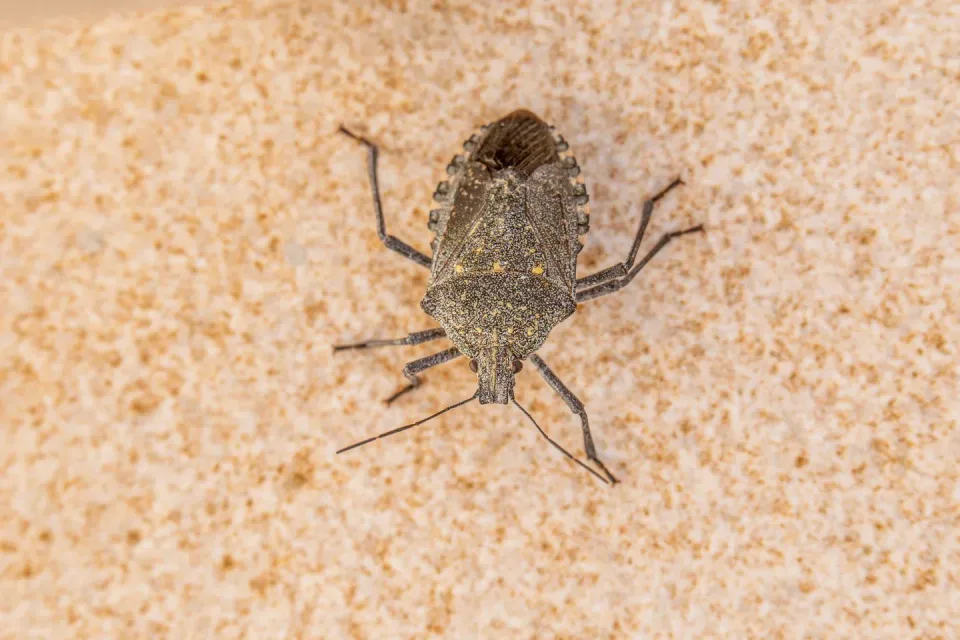
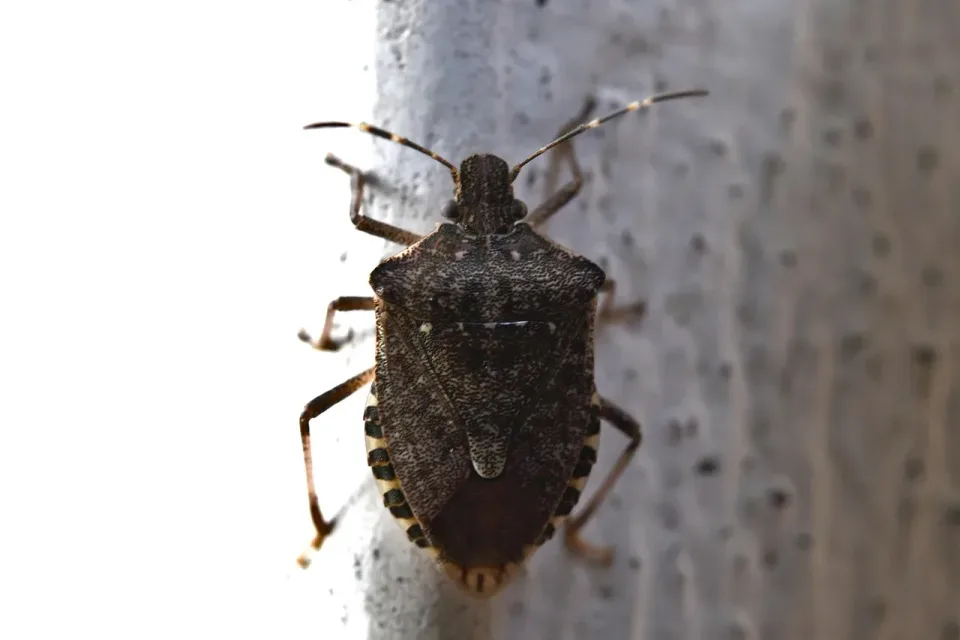
Autumn cooling can bring stink bugs indoors, a separate issue from bedbugs; German Village residents should avoid confusing unrelated insect sightings with mattress evidence. Heavy thunderstorms can drive rodents indoors, too, but that does not explain bedbug spotting. Keep the evidence and ask for a specific inspection plan.
How should I prepare for a bedbug inspection?
If you have noticed bites and dark marks, keep the bed area undisturbed until you have documented what you can. Do not carry unbagged bedding into another room.
-
Record the signs: Photograph mattress marks and note where and when new bites or suspected insects appeared.
-
Request an inspection: Describe affected rooms and ask what evidence the technician wants you to preserve.
-
Coordinate access: If you own a rental, arrange entry with tenants and make clear which units have reported signs.
-
Follow the preparation plan: Move items only as directed; do not discard furniture or apply products without guidance.
-
Ask about re-entry: Before treatment, confirm the applicable product-label instructions and when people and pets may return.
-
Keep the service record: Save the inspection findings, treated areas, and any recommended follow-up.
Spring rainfall can saturate basements and crawlspaces, but that moisture concern is separate from checking a bedbug report. Snow cover can hide outdoor entry points and rodent signs, not mattress evidence.
If you notice spider web removal needs during prep, clear only what is needed for access and ask the technician about the inspection area. From Ohio City to homes near Mill Creek Park, the useful question is what evidence and access the specific job requires.
Ready to get help with bedbug bites and mattress spots?
Bites alone are uncertain; repeated spotting or a found insect makes inspection a practical next step. Our Ohio crew checks the reported sleeping areas, explains what the evidence supports, and recommends targeted treatment only when appropriate. Near Stan Hywet Hall and Gardens or anywhere else in Ohio, the same careful process starts with a clear account of what you noticed.
-
Save evidence: Keep photos and notes about affected rooms.
-
Arrange access: Tell us whether the concern involves a rental or multiple units.
-
Request an inspection: Ask what preparation is needed before the visit.
For a calm assessment and estimate, contact Ohio Pest Pros about Bed Bug Extermination.