Can Soft Doorframe Wood Be Repaired After Termite Damage?
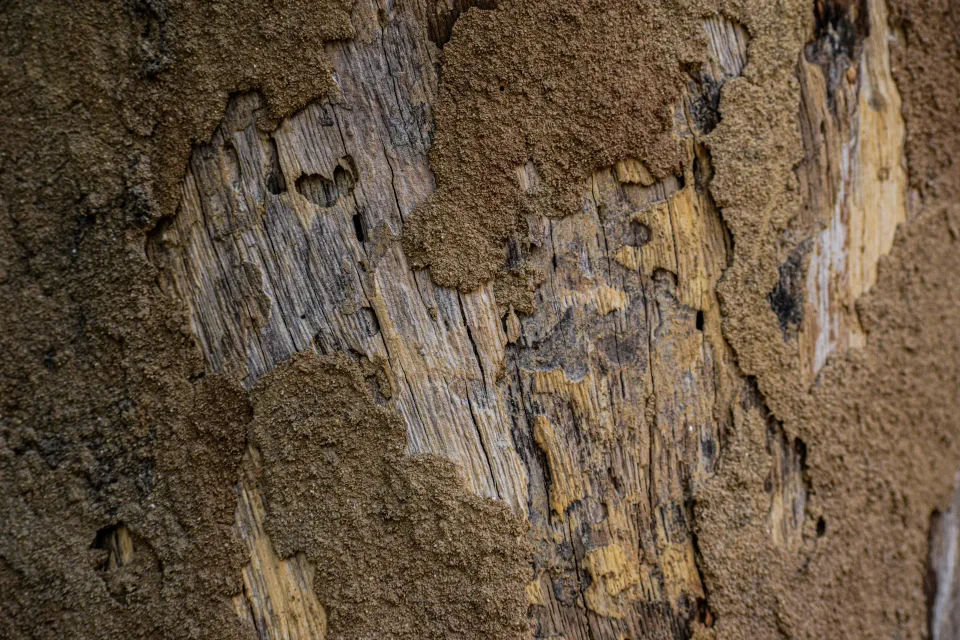
Yes, soft wood near a doorframe can often be repaired after termite damage, but only after the active infestation is addressed and the remaining wood is assessed. If the frame sounds hollow or crumbles under light pressure, avoid covering it with filler before finding out how far the damage extends. A patch can hide a problem without restoring a weakened jamb.
Windstorms can loosen siding and reveal gaps that give pests access to a home, so check exterior seams near the affected doorway too. Early freezes may push pests into wall voids, making activity harder to spot from inside.
Near Dayton’s Carillon Historical Park, older homes deserve a careful check of trim and adjoining framing. Ohio Pest Pros can inspect the area and explain what needs repair before you arrange carpentry.
What does soft wood at the doorframe mean?
A soft spot can mean termites have damaged the jamb, but softness alone does not confirm that termites are still present. Press gently with a screwdriver; note whether the wood dents, flakes, or gives way, and avoid probing so hard that you damage sound material. The visible edge may not show how far the galleries extend behind the trim.
We inspect the doorframe and nearby accessible areas before recommending treatment. If the wood is hollow, look for other clues and photograph them for comparison.
Our termite inspection focuses on locating signs of activity, not just judging the damaged surface. That distinction matters: replacing trim without checking nearby framing can leave the source untouched.
Can you repair the jamb without replacing it?
Sometimes. If damage is shallow and limited to non-structural trim, a carpenter may be able to remove loose material, consolidate or patch the area, and refinish it. If the jamb is deeply compromised, the door no longer sits square, or adjoining framing is affected, replacement may be the safer repair. A finish coat cannot restore strength to wood that has lost its solid core.
A useful field check is the boundary of the damage: compare firm wood with the soft area rather than judging by discoloration alone. Homes near Cedar Point may be far from our day-to-day routes, but the same practical question applies anywhere in Ohio: has the wood retained enough sound material to hold fasteners and support the frame? We can explain the pest findings; a qualified carpenter should assess structural repairs.
When should you call a termite professional?
Call for an inspection if softness spreads, fresh damage appears after a repair, or you find evidence of activity beyond one small patch. The Cuyahoga Valley National Park is a reminder of how varied Ohio’s surroundings can be; for a homeowner, the useful takeaway is to judge the actual evidence at the property, not assume the same treatment fits every setting. We look at accessible wood and conditions around the affected area before discussing next steps.
The Lake Erie shoreline gives some Ohio communities a different local setting, but it does not change the need to distinguish an old scar from continuing activity. For background on foundation evidence, see what termite mud tubes on an Ohio foundation mean. Our recommendations follow inspection findings and the treatment method appropriate to the site, rather than a one-size-fits-all patch.
DIY repair works only after the cause is clear
You can handle cosmetic touch-ups when a professional has confirmed the infestation is addressed and the frame is sound. Do not use filler as a substitute for inspection, and do not apply pesticide products outside their labeled directions. A repair that hides active signs can make later assessment harder.
If you find soft wood near the Great American Ball Park area or elsewhere in the state, the same decision rule applies: establish whether termites remain active before closing the area. Ohio Pest Pros inspects first, explains the findings plainly, and can recommend targeted termite treatment when indicated. The repair itself may require a carpenter; pest treatment and structural restoration are separate jobs.
How Termite Treatment Options Relate to Doorframe Repairs
Treatment addresses termite activity; it does not rebuild a weakened jamb. The right approach depends on where activity is found and whether it is localized or connected to the foundation. Ohio’s four distinct seasons, with cold winters and warm summers, make it sensible to keep inspection and repair records over time.
The Cincinnati Zoo and Botanical Garden is a familiar Ohio landmark, but homes across the state still need treatment selected for their actual construction and evidence. Hot, humid spells can raise indoor moisture concerns, so note damp conditions near the door while arranging an inspection. Franklin Park Conservatory offers a reminder that moisture supports living growth; inside a home, excess dampness can also complicate wood condition checks.
| Option | Best for | Key detail |
|---|---|---|
| Liquid soil termiticide | Activity tied to soil and foundation | Creates treated soil zones; treatment trench dimensions follow product label |
| Termite baiting system | Ongoing colony monitoring and control | Stations require monitoring; dimensions vary by manufacturer |
| Localized treatment | Confirmed, limited activity | Spot treatment addresses localized activity rather than the full foundation |
| Post-construction treatment | Existing homes | Treatment area is measured in linear feet; method depends on site conditions |
How Should You Prepare for Doorframe Termite Inspection?
Before an inspection, leave the damaged trim visible and make the door area easy to reach. Access helps the technician assess the wood and adjoining spaces without disturbing the evidence. Near Dayton Aviation Heritage National Historical Park, homeowners can use the same preparation as elsewhere in Ohio; travel or local history does not change the inspection steps.
-
Photograph the damage: Take clear pictures of the soft area and note when you first noticed it.
-
Clear the doorway: Move furniture and stored items away from the interior treatment area and nearby access points.
-
Arrange access: Schedule entry to relevant basements or crawlspaces if the inspection requires them.
-
Disclose site details: Tell the technician about wells and drainage features before treatment is discussed.
-
Plan for safety: Secure pets during pesticide application and follow product-label re-entry instructions.
-
Keep the record: Save treatment details and schedule follow-up inspection if activity continues.
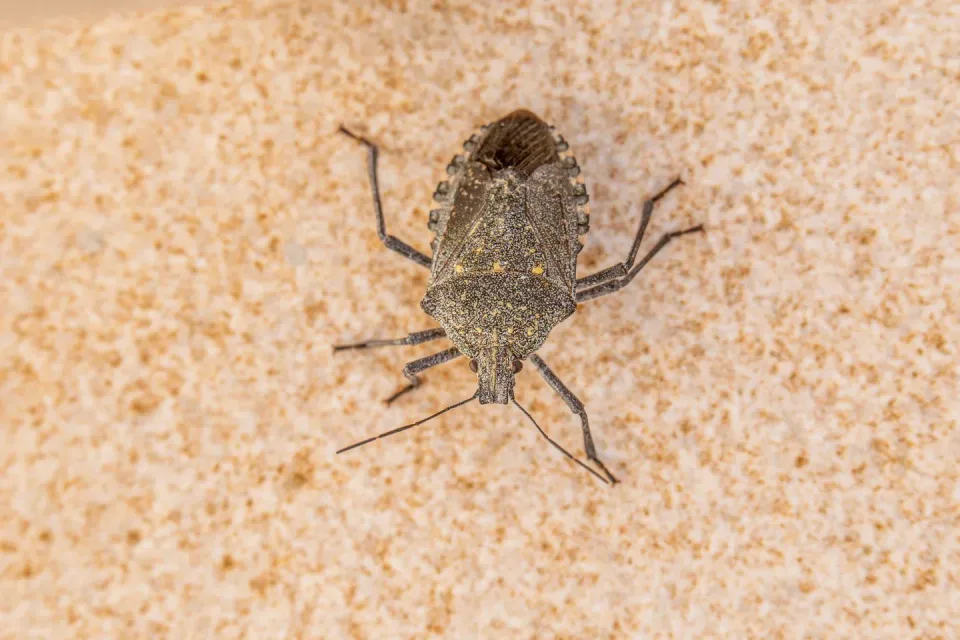
If lake-effect snow affects your northeastern Ohio property, plan access before snow conceals exterior areas you need checked. Autumn cooling can push stink bugs indoors, so note any unrelated pest activity separately rather than treating every insect sign as termite evidence. The Ohio River Scenic Byway spans a different part of the state, but homeowners there should also keep the doorway accessible for a clear assessment.
Should You Get Help for Soft Doorframe Wood?
If the doorframe feels soft, crumbles, or seems to be getting worse, arrange an inspection before patching or replacing the trim. Repair is often possible, but the damage must be assessed and any active termites addressed first.
Ohio’s humid continental climate makes it important to distinguish termite damage from other causes of wood deterioration, including moisture. A home near the Toledo Zoo is no different in that respect: the condition of the actual frame and surrounding material should guide the decision. The Toledo Museum of Art is another Ohio landmark, but no landmark or neighborhood can replace a property-specific inspection.
Ohio Pest Pros will inspect the affected area, explain the findings, and discuss practical next steps. Request a termite inspection before arranging the repair.